






Maintaining America’s Secret MiGs – S8, Episode 73
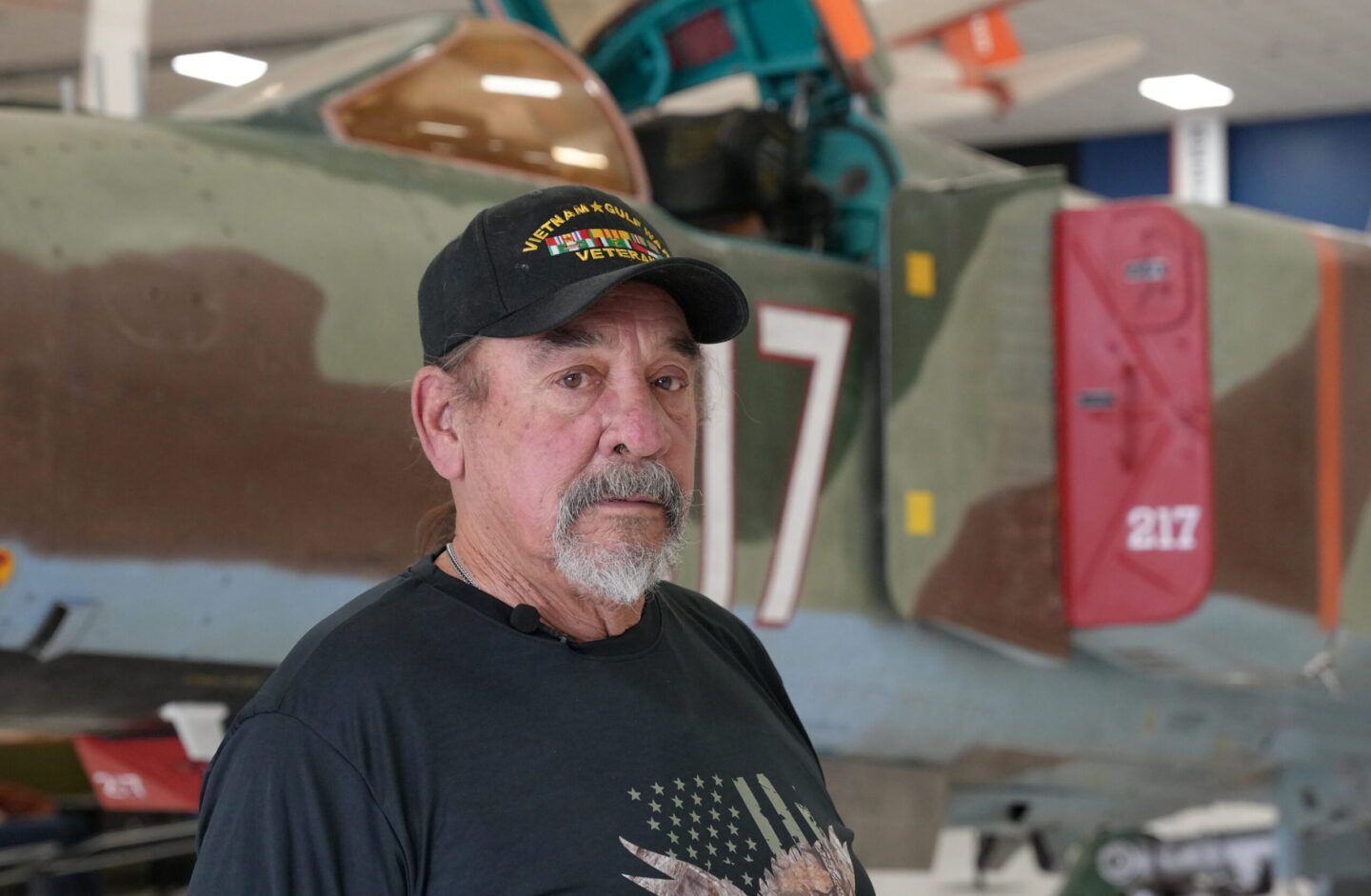
Jim “JB” Bell shares his story from inside one of the Air Force’s most secret Cold War programs, Project Constant Peg.
Listen Anywhere! Apple | Spotify | All Players
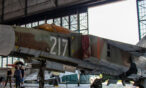
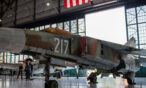
In this episode, Host Rick Crandall talks with Jim, a retired crew chief of the legendary 4477th Test and Evaluation Squadron, about what it took to keep MiG fighters flying in the Nevada desert. From maintaining MiG-17s, MiG-21s, and MiG-23s at Tonopah Test Range to flying on unmarked C-5s into China and bringing home F-7 fighters, Bell offers a rare perspective on one of the most classified adversary air programs in U.S. Air Force history. This one is going to be cool!
The Big Picture:
Most aviation history remembers the pilots, but behind every sortie is a maintainer, and without them, the mission can’t be done.
For the mechanics of Project Constant Peg, that responsibility became even more extraordinary. They weren’t working on standard American fighters but instead maintaining Soviet MiGs.
The mission to train aviators against real enemy airplanes before they met in combat was simple in theory and brutally hard in practice. After Vietnam, the Air Force realized that too many aircraft were being lost in air-to-air fights. Training against friendly jets pretending to be adversaries wasn’t enough. Pilots needed to experience firsthand how a MiG turned, accelerated, climbed, and fought. That visionary idea became Constant Peg, which required the best maintainers around.
Crew chiefs like Jim “JB” Bell had to take foreign aircraft that often arrived in pieces, with missing parts, incomplete manuals, and no formal training pipeline, and somehow make them safe enough for American pilots to trust them with their lives.
Bell’s day-to-day was equal parts detective work and improvisation, which sums it up in one line: “If it wasn’t for us, they wouldn’t be up there.”
From the F-4 Phantom to Classified Programs:
Bell didn’t begin his career working on MiGs. Like many maintainers of his generation, he entered the Air Force right out of high school, expecting to do four years and move on. His first assignments took him through the standard maintenance world, starting on the F-100 Super Sabre before transitioning to the F-4 Phantom II. At Luke Air Force Base, he remembers standing on the ramp and watching nearly 100 F-100s disappear within weeks.
“They told us to dump our tools in the dumpster and go get new ones because something new was coming.”
That “something new” was the McDonnell Douglas F-4 Phantom II, one of the defining aircraft of the Cold War. As a twin-engine, two-seat, and all-weather aircraft, it could do air superiority, strike, reconnaissance, and even nuclear delivery. It was fast, loud, and unforgiving, but for maintainers like Bell, it was also one of the best airplanes ever built.
Bell’s verdict is simple: “I worked on nearly every model, and I’ll take the F-4 over anything.”
That experience would ultimately prepare him for Constant Peg. While stationed at Nellis Air Force Base during Red Flag, Bell ran into an old friend who looked nothing like a normal Air Force NCO. He had long hair, a beard, sandals and a relaxed attitude. Jim asked if he’d gotten out of the service. “No,” the man replied. “I’m in top secret. You want to get into it?” Bell’s answer was immediate: “Hell, yeah.”
Constant Peg History:
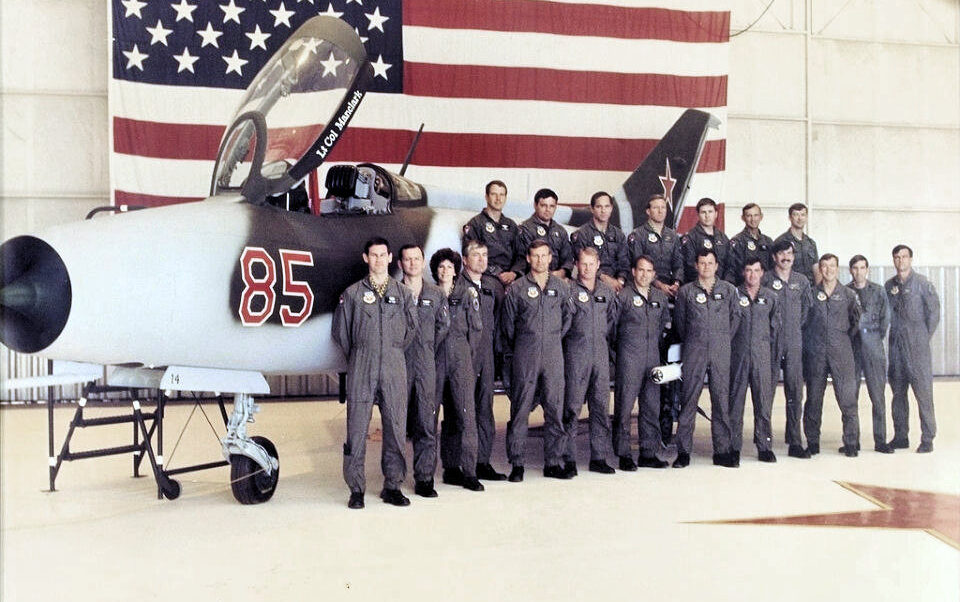
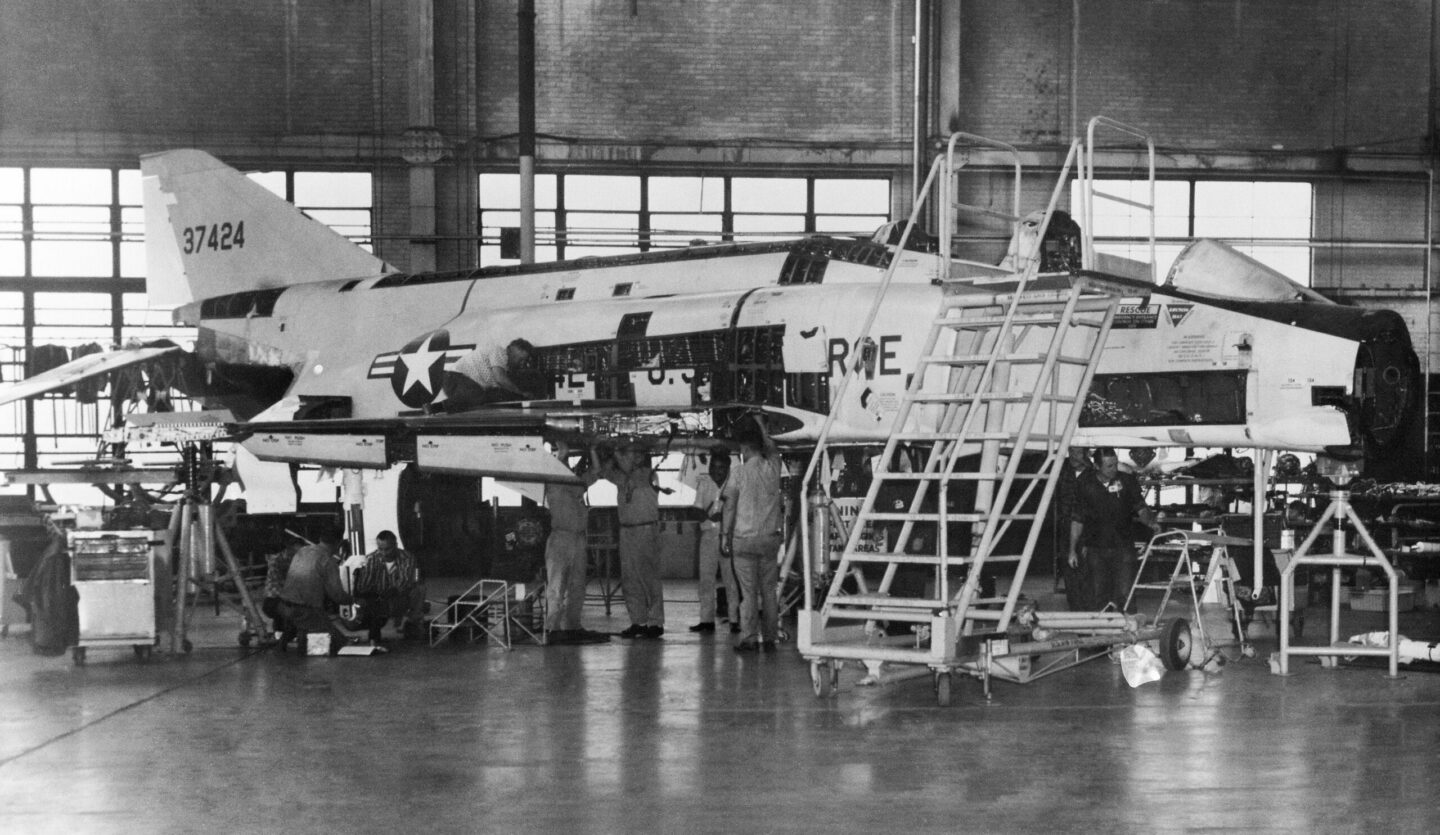
Project Constant Peg was born from a hard lesson of Vietnam, where American pilots were encountering Soviet aircraft in combat and often meeting them for the first time under the worst possible circumstances. Colonel Gail Peck helped push a radical idea forward with the thinking that, instead of training against American aircraft, why not train against the real thing?
The Air Force quietly acquired MiGs from around the world, allegedly from Indonesia, Egypt, Libya, Israel, East Germany, defectors, and eventually China. At Tonopah Test Range in Nevada, also known as Area 52, the program truly came to life. Constant Peg ultimately helped to remove “buck fever” by making the unknown familiar.
Pilots learned what a MiG-17 could do, how a MiG-21 really turned, and how a MiG-23 behaved, what to respect and what not to fear. But before any of that could happen, someone had to make those MiGs fly.
Working on MiGs:
Working on American aircraft meant manuals, supply chains, training schools, and technical orders, whereas working on Soviet MiGs meant almost none of that. Bell walked into the Constant Peg hangar and found aircraft on jacks, partially disassembled, and one fuselage even standing vertically in the corner. They said, “Go fix that one over there.”
There were Russian manuals, but translations were often nearly useless with pages describing a part without explaining what it did. So, the maintainers learned the old-fashioned way, by pulling panels, traced systems, guessed, and proved it on the aircraft. It was the definition of reverse engineering.
The MiG-21 vs. MiG-23:
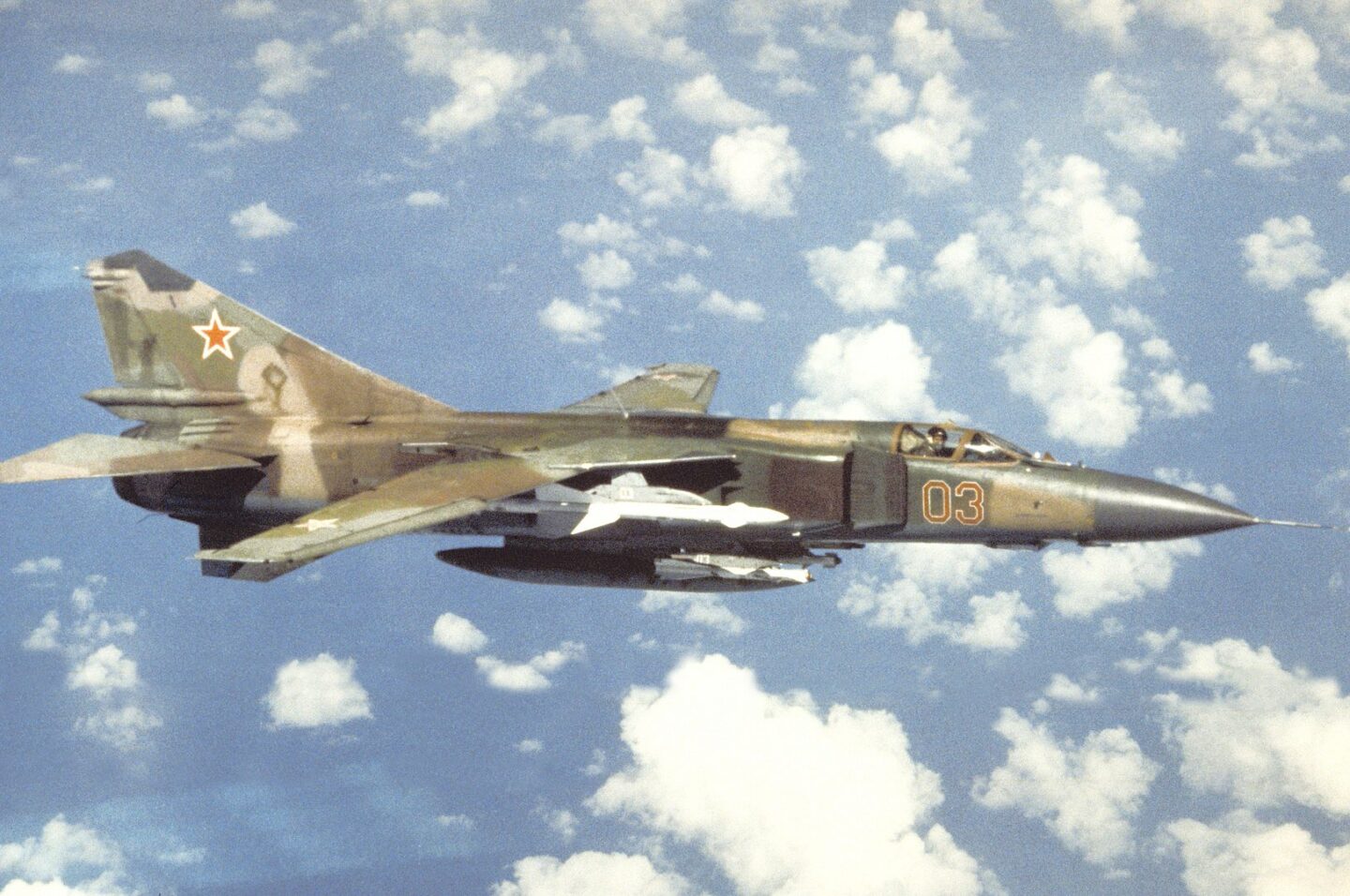
Not all MiGs were created equal. Bell had a deep respect for the MiG-21. It was simple, rugged, reliable, and could fly multiple sorties a day without complaint. It was noisy, fast, and durable, exactly the kind of aircraft maintainers appreciated.
“You could fly that one airplane, turn it four times a day, and nothing.”
The MiG-23 was the opposite. More complex, harder to maintain, and constantly fighting engine problems, it demanded far more time and attention. At Constant Peg, a MiG-21 preflight might take 30 minutes, whereas a MiG-23 could take an hour and a half. Before pilots flew, Bell’s team checked wing sweeps, hydraulics, controls, and systems.
“If we didn’t think it was right, it didn’t fly.”
The engines were the worst part. Bell remembers aircraft flying once, returning with cracked blades, and sitting grounded for weeks. The MiG-23 may have looked impressive, but to maintainers, it was a lot of work. Sometimes entire fleets sat idle for months.
The Crew Chief Owned the Bird:
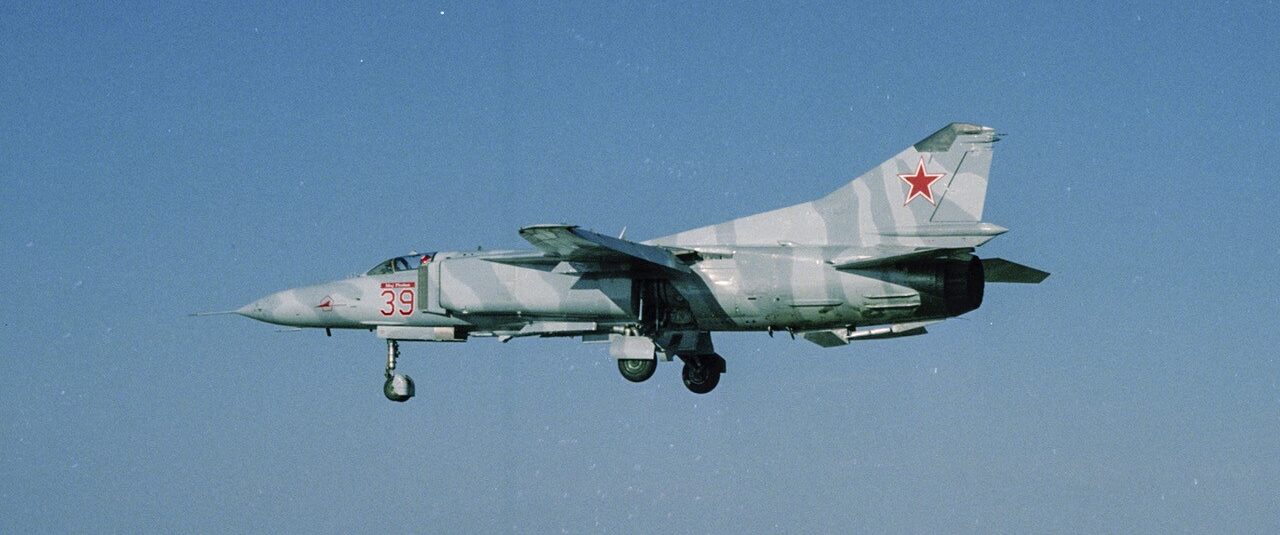
One of the strangest chapters of Jim’s career involved flying to Beijing to pick up Chinese-built F-7s, essentially MiG-21s. Before landing, they changed out of flight suits and into civilian clothes and sometimes were told only that they were going to pick up “some stuff.” When they arrived and opened the giant crates, they found entire fighters inside.
Bell’s first trip was intimidating: armed guards around the aircraft, no shared language, and a constant sense of tension. Sitting in the jump seat, he heard his pilot tell him to look out the window and see that Chinese F-7s were escorting them into Beijing. Jim said, “This ain’t going to work out too well.”
Eventually, even that became normal. Only in Constant Peg could escorting secret fighters out of China become routine.
The Takeaway:
Jim “JB” Bell’s story is a reminder that aviation history isn’t only written in cockpits. It’s written under wings and inside hangars, by the people covered in grease who make impossible missions possible. Constant Peg asked maintainers to do an extraordinary feat by keeping foreign enemy aircraft flying in complete secrecy and often with no manuals, no parts, and no margin for error.
The original program ended as the Cold War faded and budgets shifted, but Jim never believed the need had disappeared. In fact, he thinks it should come back: “Personally, I think they should start these outfits back up again.”
He bets that there are still secret programs like this today, though who can truly say for sure?
Frequently Asked Questions:
What was Project Constant Peg?
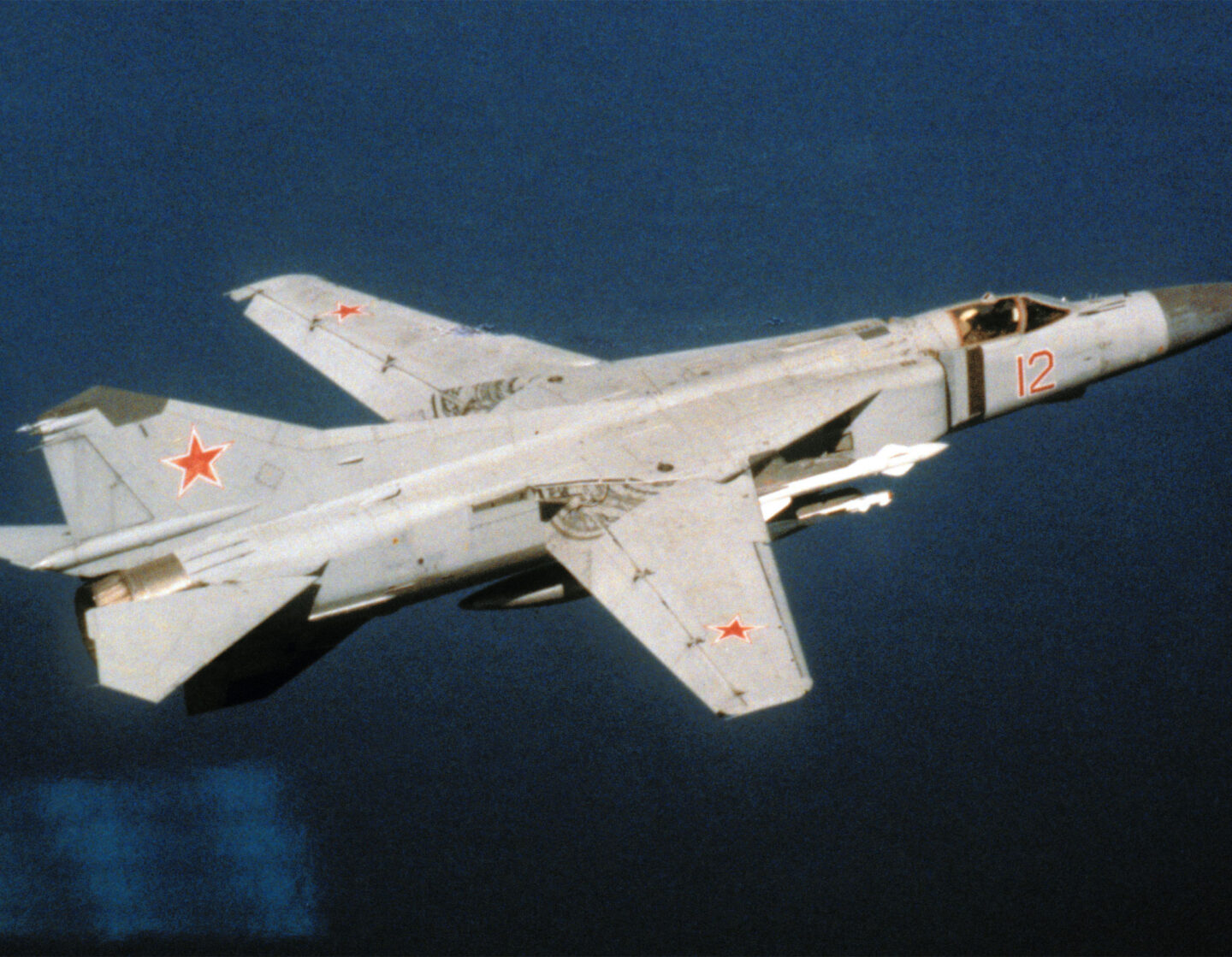
Project Constant Peg was a classified U.S. Air Force program where American pilots trained against real Soviet-designed MiG fighters to improve combat performance during the Cold War. The 4477th Test and Evaluation Squadron flew MiG-17s, MiG-21s, MiG-23s, Chinese-built F-7s, and later supported work involving MiG-29s.
How did maintainers learn to work on Soviet MiGs?
There was no schoolhouse for maintaining MiGs. Manuals were often poorly translated, supply chains barely existed, and aircraft sometimes arrived partially disassembled. Maintainers learned through trial and error, tracing systems, removing panels, and effectively reverse-engineering the aircraft to understand how they worked.
Why was maintaining the MiG-23 harder than the MiG-21?
According to Jim, the MiG-21 was rugged, reliable, and capable of flying multiple sorties a day with minimal issues. The MiG-23 was far more complex and frequently suffered engine problems, requiring longer inspections and much more maintenance time before every flight.
Why did the Constant Peg program end?
The Cold War was ending, funding shifted, and the aircraft being used were becoming outdated compared to newer fighters like the MiG-29.
Go Deeper:
Want more Behind the Wings?
Peek into the cockpits of rare warbirds and spacecraft, hear from aerospace experts and more in our episodic documentary series!
Learn more