

The Last Marine Corps Harrier – S9, Episode 81
Major Eric “Porky” Scheibe takes us from his first Harrier hover to the final flight of the Marine Corps’ last operational Harrier squadron.
Listen Anywhere! Apple | Spotify | All Players
We’re back with Season 9 of the Behind the Wings podcast! Be sure to stay tuned because we’ve got a lot of really interesting topics to explore.
In this episode, Host Rick Crandall talks with Porky about flying the AV-8B Harrier II and the legacy it leaves behind. From close air support over Afghanistan to landings on amphibious assault ships, Scheibe shares what the “jump jet” demanded of its pilots and the people who kept it flying. This one is going to be cool!
What Made the Harrier a “Jump Jet”?
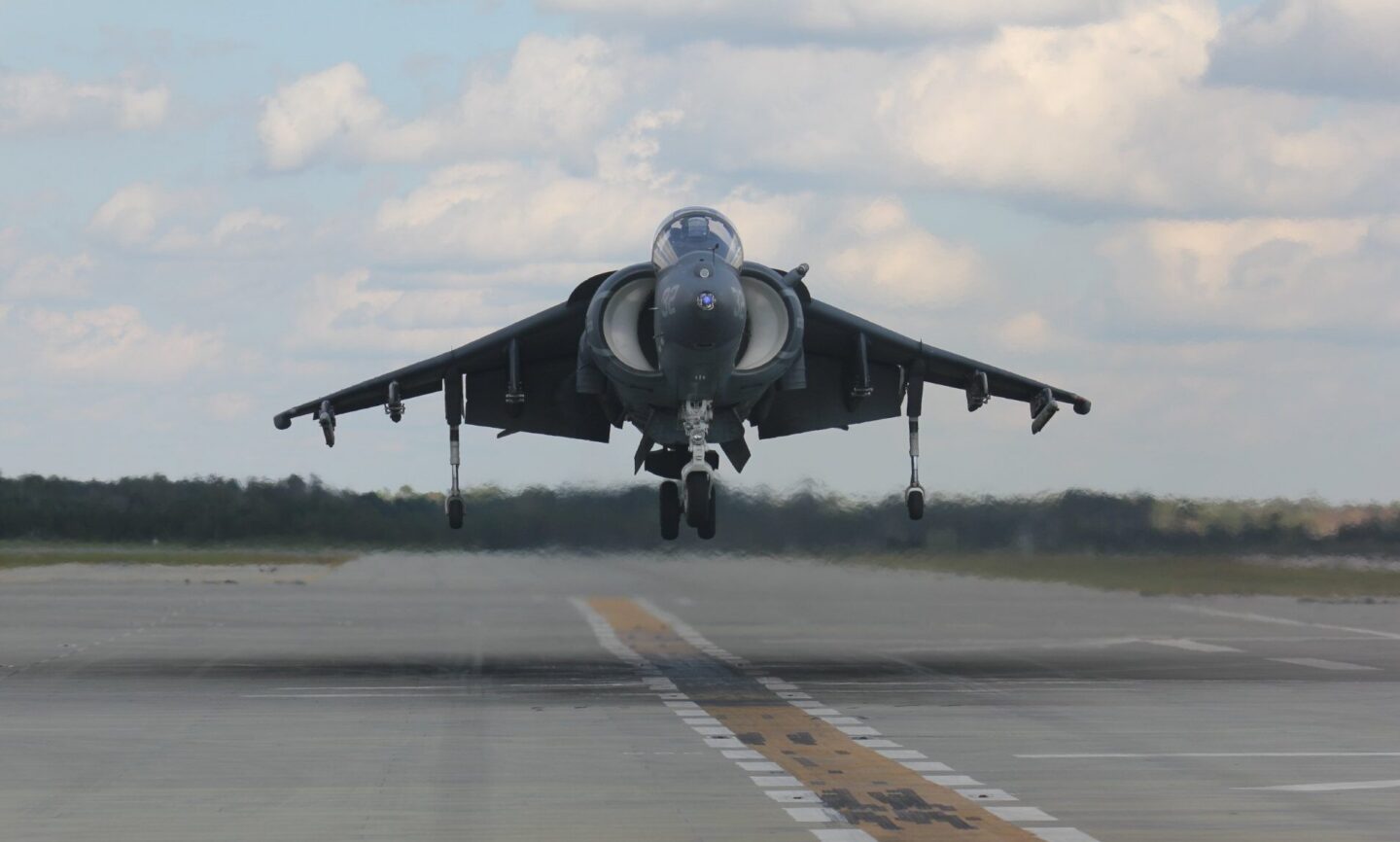
The AV-8B’s most recognizable feature is its ability to hover using a single engine that feeds four rotating exhaust nozzles. Point the thrust backward, and the aircraft moves forward like a conventional jet. Rotate the nozzles downward, and engine thrust helps hold it in the air as the wings produce less lift.
Scheibe remembers his first training flight in the two-seat Harrier. After a fast, short takeoff, the instructor brought the aircraft to a hover. Watching the airspeed fall felt wrong to a pilot trained in conventional flight, yet the jet continued rumbling as it hovered above the ground.
The name “jump jet” can give the impression that Harriers routinely launched straight up on missions. Porky explains that they usually didn’t use this maneuver because vertical takeoff required the aircraft to be light. A short rolling takeoff made better use of the aircraft’s ability to carry fuel and weapons. However, when landing on a ship, the AV-8B’s vertical capability was central to bringing it home.
That combination gave Marines the option to use an attack aircraft that could operate from an amphibious assault ship and support forces ashore without depending on a nearby full-length runway.
Supporting Marine Ground Troops
Scheibe grew up surrounded by aviation. His father flew C-130s, and some of his earliest memories are of time spent near aircraft and maintainers on the flight line. He later joined the Marines wanting a challenge and found a mission that fit him, one that led him to the AV-8B mission.
That mission was providing close air support by coordinating with troops on the ground to determine how the aircraft could assist. Porky describes the job as a “customer service business.”
During a deployment to Afghanistan, Porky and a fellow pilot known as “SpongeBob” diverted from a training sortie to support personnel pinned down near a forward operating base. About a month later, the Marines they had assisted visited the squadron. Scheibe could finally meet the people who had previously just been voices on his radio.
That encounter stayed with him. When he later trained Harrier pilots, he wanted them to understand the people behind each mission request, not just the tactics in the manual.
Landing at Sea Took a Team
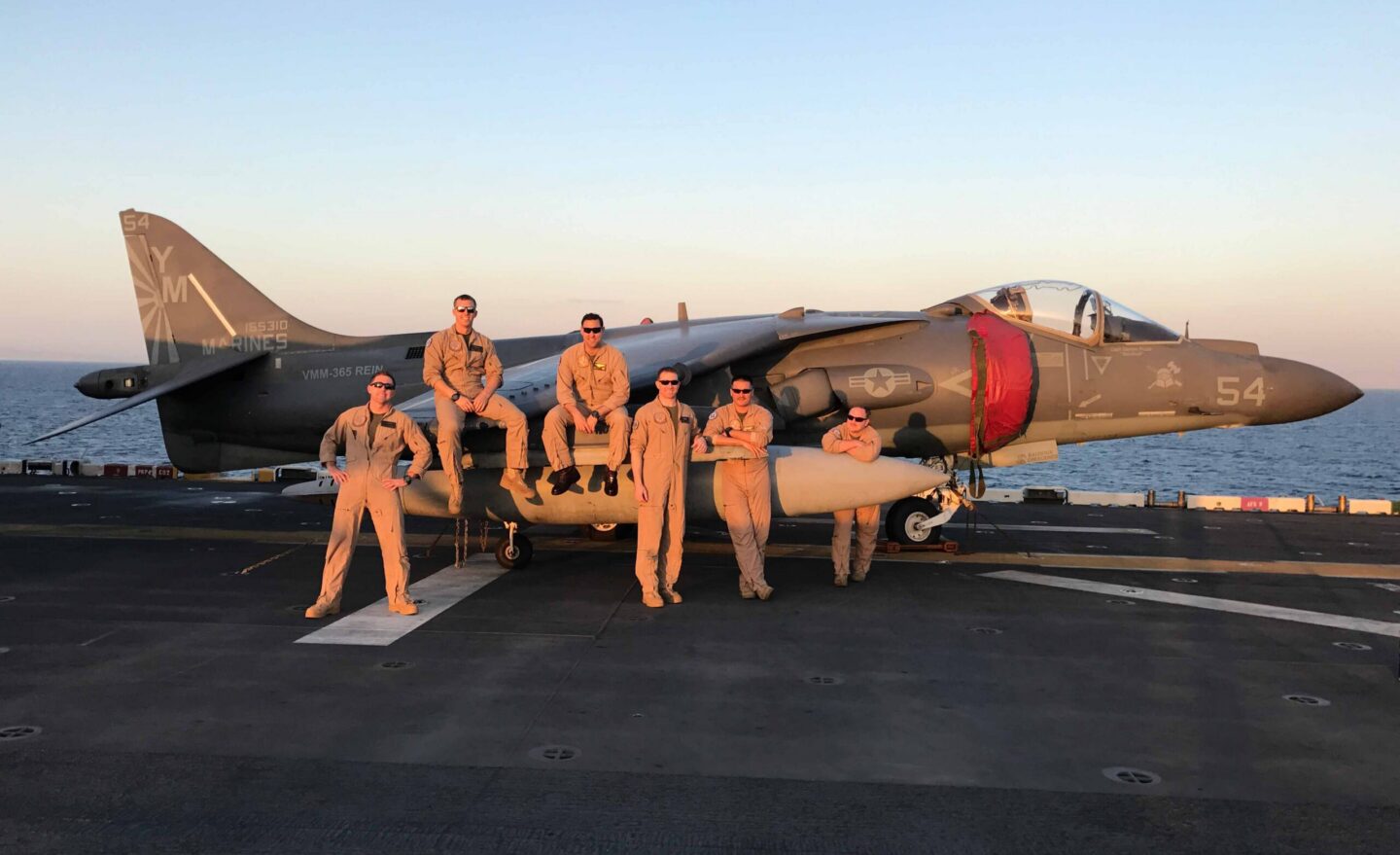
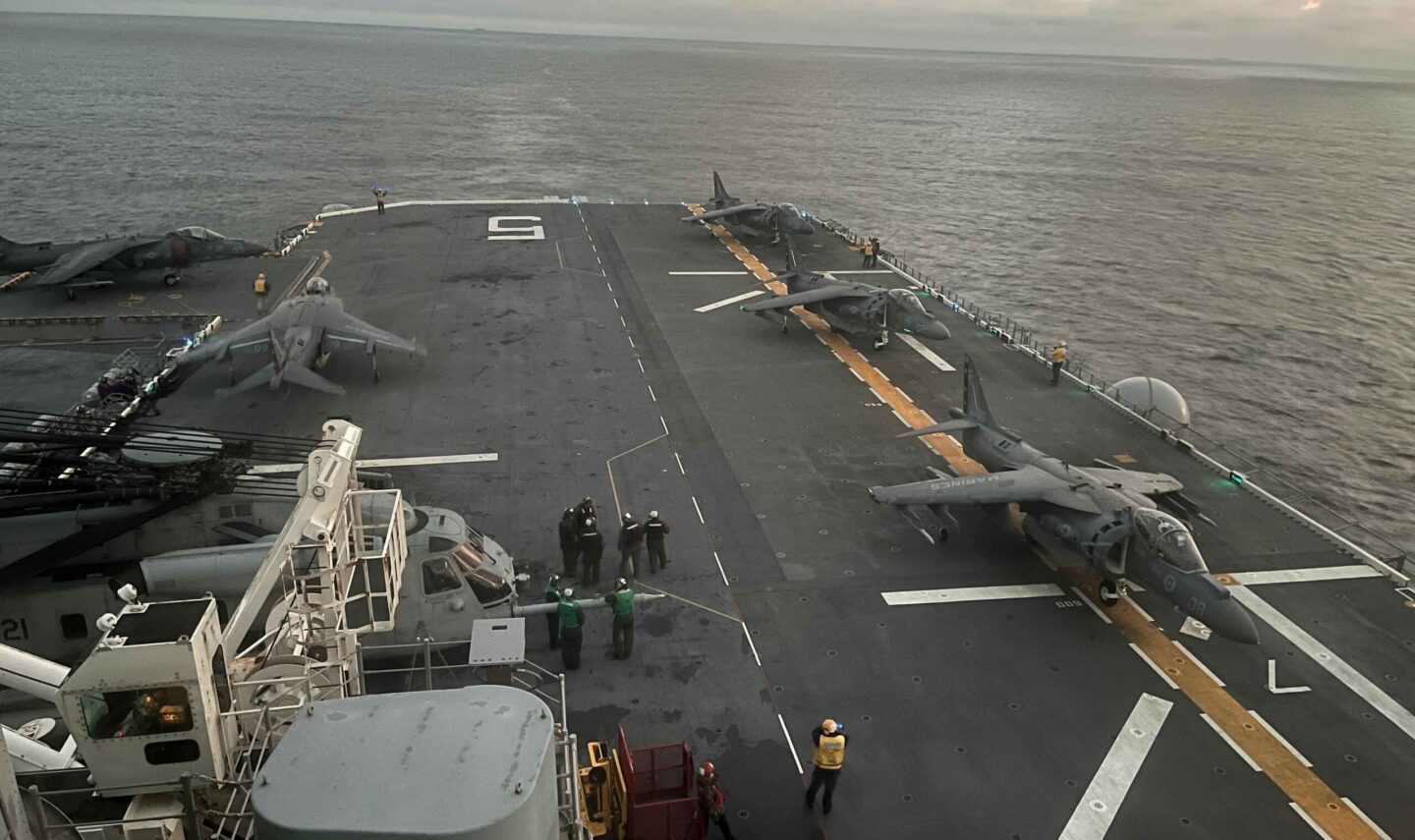
Scheibe loved serving as a landing signal officer, helping coordinate Harrier launches and recoveries aboard amphibious assault ships. Before a launch, he had to account for the specific aircraft, its fuel and weapons, weather, and the wind over the deck. Those calculations helped determine the space and wind conditions required for takeoff and how light the aircraft needed to be for a vertical landing upon return.
A night landing brought another layer of work for the pilot. Porky describes approaching the ship using instruments and landing lights, then carefully judging the aircraft’s position as it moved alongside the deck. It was among the most demanding flying he did.
The pilot was never working alone. Maintainers prepared the aircraft while flight deck crews managed a crowded, noisy workspace. Landing signal officers, the ship’s air boss and the captain coordinated a schedule that also had to make room for helicopters and other ship operations.
Scheibe’s respect for maintainers grew further when he became an aviation maintenance officer. A Harrier could be difficult to work on, with engine changes requiring the wings to be taken off. Every flight depended on people willing to solve problems like that.
A Final Flight, With No Time to Look Down
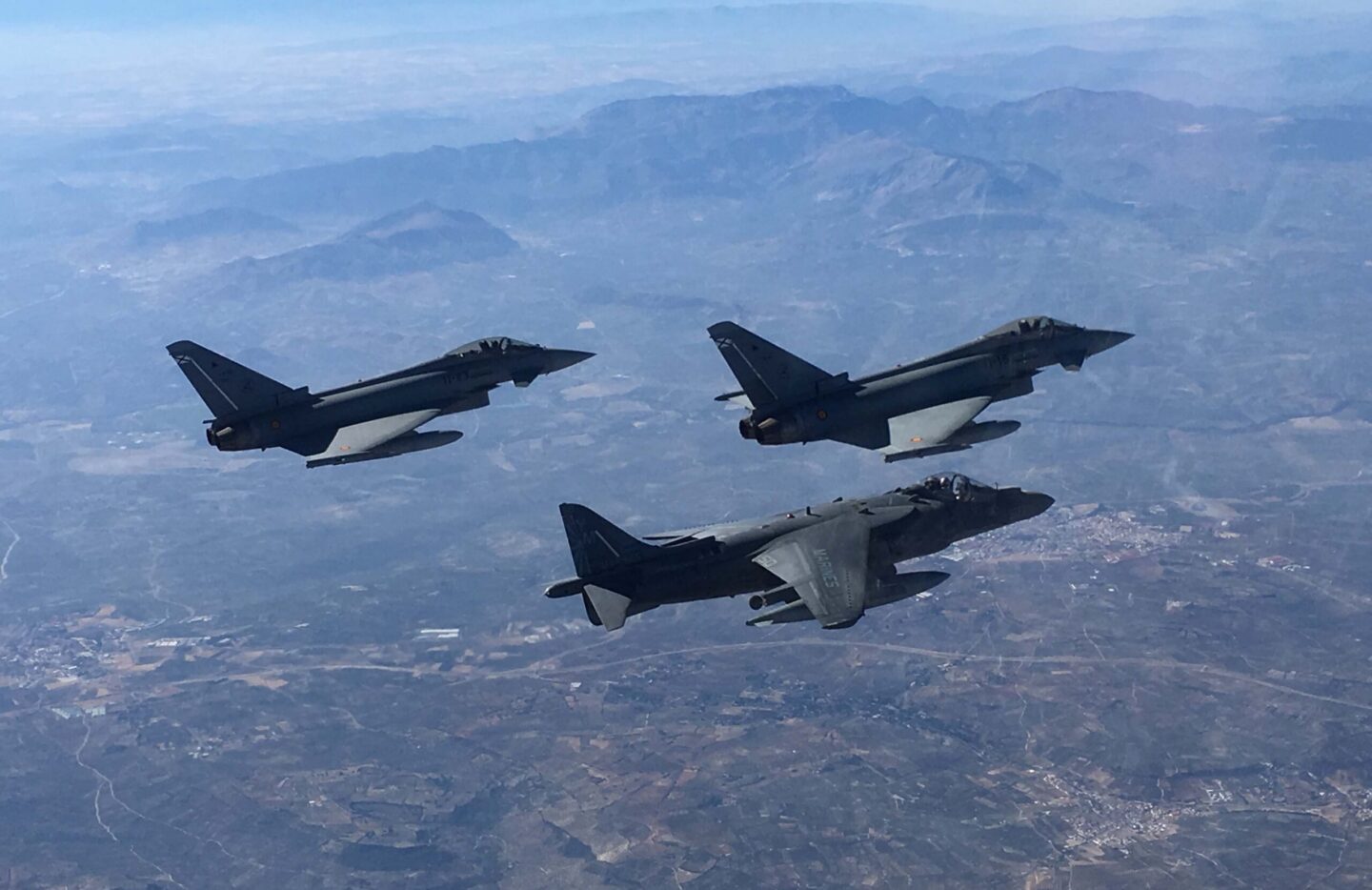
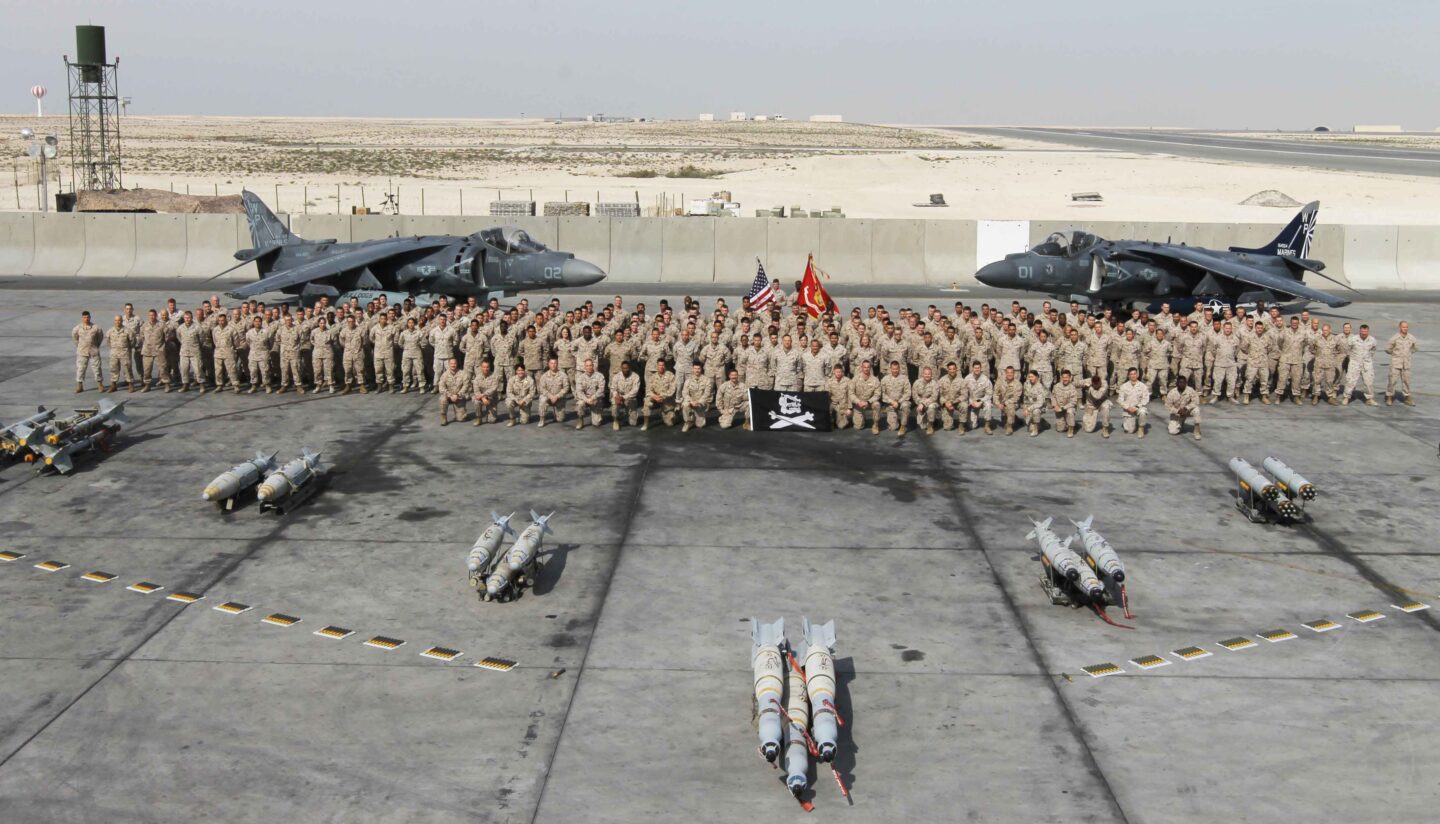
On June 3, 2026, roughly 5,000 people gathered at Marine Corps Air Station Cherry Point, North Carolina, for the Harrier sundown ceremony. Scheibe was flying in formation during the farewell as the second aircraft. Since he had to keep his eyes on the lead jet, he never got to look down at the crowd.
That detail captures something essential about the AV-8B Harrier II. Even on a day devoted to its history, flying it demanded a pilot’s full attention. Porky had logged more than 2,087 hours in the aircraft, yet he says no one ever felt like they had mastered it.
The ceremony marked the end of flight operations for VMA-223, the Marine Corps’ last operational Harrier squadron, known as the “Bulldogs.” For executive officer Scheibe the farewell was also a working assignment, planning the events, finding new destinations for aircraft and equipment, and supporting Marines moving into new roles.
What the Bulldogs Carry Forward
The sundown was bigger than a single squadron’s goodbye. Former pilots, maintainers, families, industry partners and neighbors from eastern North Carolina came together to mark a 55-year Marine Corps Harrier legacy.
Scheibe says the emotions reached him after the final flight, when he saw his wife and former Marine maintainers with tears on their faces. The aircraft had brought them together, but their shared work gave the day its meaning.
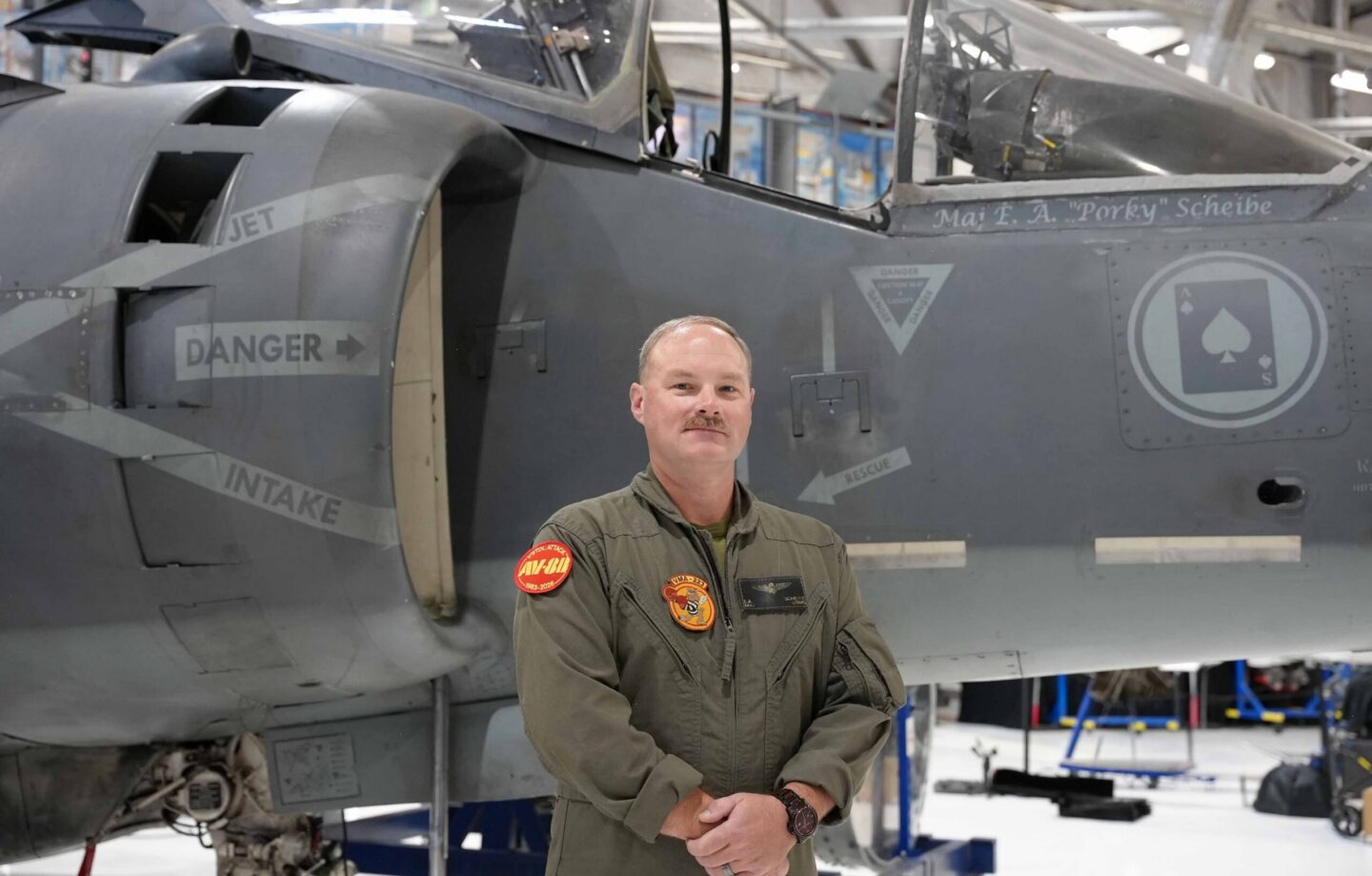
The Bulldogs are scheduled to return as VMFA-223 flying the F-35B. Porky sees the transition as another chapter in the squadron’s history, with its aircraft and mission evolving over time. For museum visitors, his hope is that a close look at the Harrier’s four nozzles and compact shape leads to a larger question: what did it take to fly, maintain and operate this aircraft?
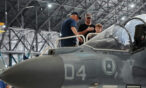
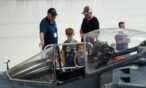
The AV-8B Harrier II+ on display at Wings Over the Rockies gives visitors a place to start. Scheibe also notes that his name is on our aircraft, creating a special connection between him and the museum.
Frequently Asked Questions
What does AV-8B stand for?
AV-8B is the U.S. military designation for the Harrier II. The “A” stands for attack, the “V” indicates vertical/short takeoff and landing capability, the “8” is its design number and the “B” identifies the aircraft’s second major version
What was VMA-223?
Marine Attack Squadron 223, nicknamed the Bulldogs, was the Marine Corps’ final operational Harrier squadron. It held the Harrier sundown ceremony at Cherry Point on June 3, 2026.
What is a Marine Expeditionary Unit?
A Marine Expeditionary Unit, or MEU, brings together ground, aviation, logistics and command elements. Harriers could deploy with a MEU aboard amphibious ships to provide air support.
Why did a Harrier landing at sea require so much planning?
The aircraft’s weight, fuel, weapons, engine performance and wind all affected whether it could land vertically. The ship’s crew also had to prepare and clear the flight deck for safe landings.
Go Deeper:
- Major Eric “Porky” Scheibe’s Bio (Marine Corps)
- VMA-223 Celebrates Harrier Sundown (Marine Corps)
- Watch the Harrier Sundown Livestream (DVIDS)
- Listen to Flying the First U.S. Harrier Combat Mission (Behind the Wings podcast)
Watch Our Behind the Wings Harrier Demil Episode to Learn More:
Want more Behind the Wings?
Peek into the cockpits of rare warbirds and spacecraft, hear from aerospace experts and more in our episodic documentary series!
Learn more