












How the World Agreed to Go Farther – S8, Episode 79
NASA’s Deputy Associate Administrator Meredith McKay explains how international agreements, shared goals, and decades of trust are shaping humanity’s return to the Moon.
Listen Anywhere! Apple | Spotify | All Players
In this episode, Host Rick Crandall talks with Meredith about the diplomacy behind space exploration. From the hard-earned lessons of the International Space Station to the Artemis Accords, McKay explains how cooperation on Earth makes ambitious missions possible. This one is going to be cool!
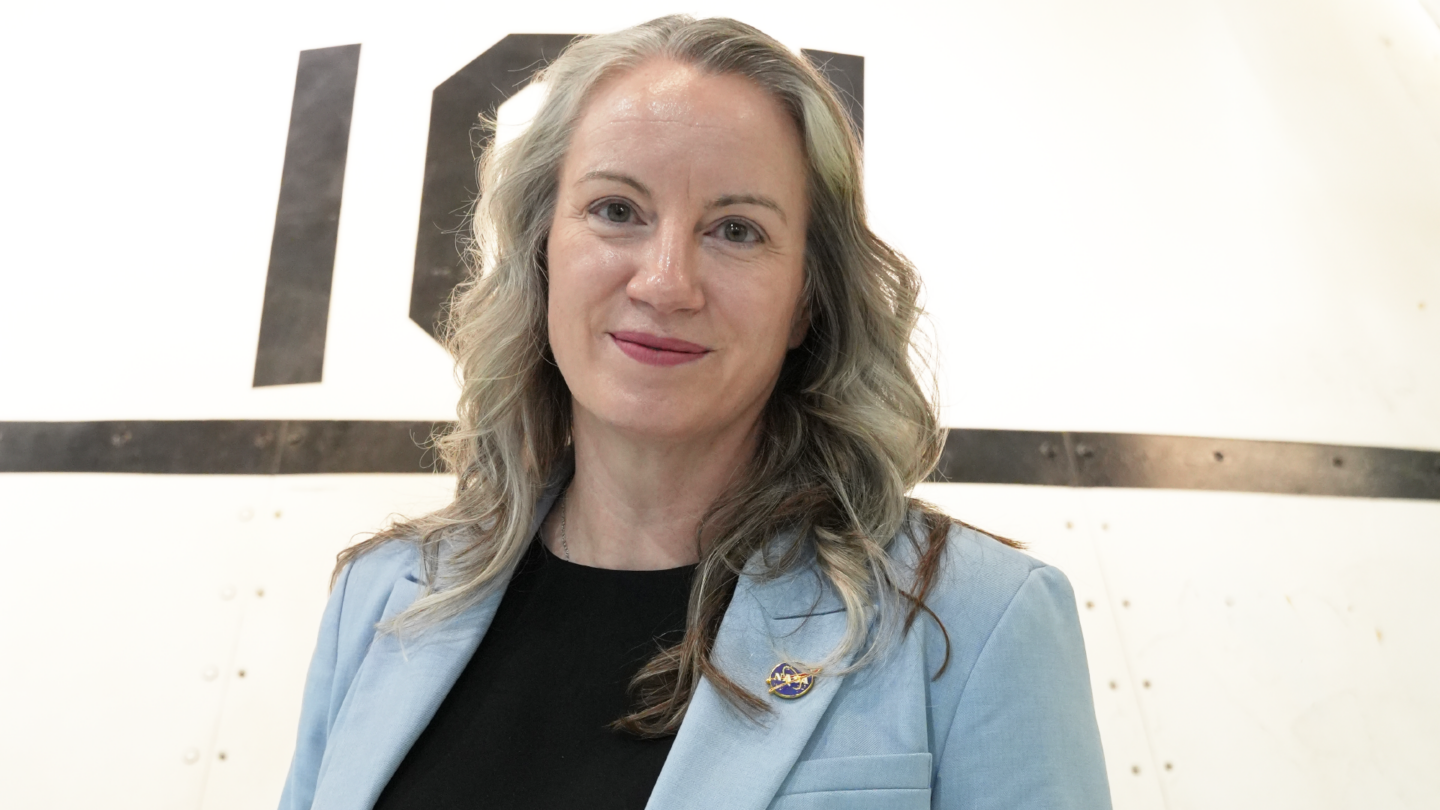
The Work Before the Launch:
When most people picture NASA, they see astronauts, rockets, and mission control. Long before a spacecraft leaves the ground, however, another team is helping nations agree on what they want to accomplish, and how they will work together.
NASA’s Office of International and Interagency Relations (OIIR) supports that process. Its team helps scientists and engineers connect with global counterparts, identify projects of mutual benefit, and establish each partner’s responsibilities. It also negotiates agreements and ensures that cooperative missions follow U.S. policies, laws, and regulations.
That work is largely invisible, but it touches projects across NASA. The agency maintains hundreds of active agreements with countries and organizations, supporting major missions such as the International Space Station, Artemis, the James Webb Space Telescope, and the NASA-ISRO Synthetic Aperture Radar mission. Others connect individual researchers and instruments to global scientific networks.
Across each project, NASA attempts to answer the question of how partners can accomplish goals together rather than alone.
Rebuilding the International Space Station Plan:
Following the loss of Space Shuttle Columbia in 2003, NASA faced the challenge of completing the International Space Station with far fewer shuttle flights than originally planned.
As part of a five-person NASA team, Meredith helped negotiate a new assembly sequence and configuration with the station’s international partners. The assignment required more than technical knowledge, as each agency had its own priorities, responsibilities, and constraints.
McKay learned to look for the common thread connecting them. A lasting agreement could not depend on one nation simply telling another what to build. Every partner needed to understand how the mission served its own scientific goals, government priorities, and public.
That shared value gives a partnership staying power. Administrations change, budgets shift, and schedules rarely align perfectly across nations. A clear purpose and trust built over time helps the mission continue through good or challenging times.
What the ISS Taught NASA:
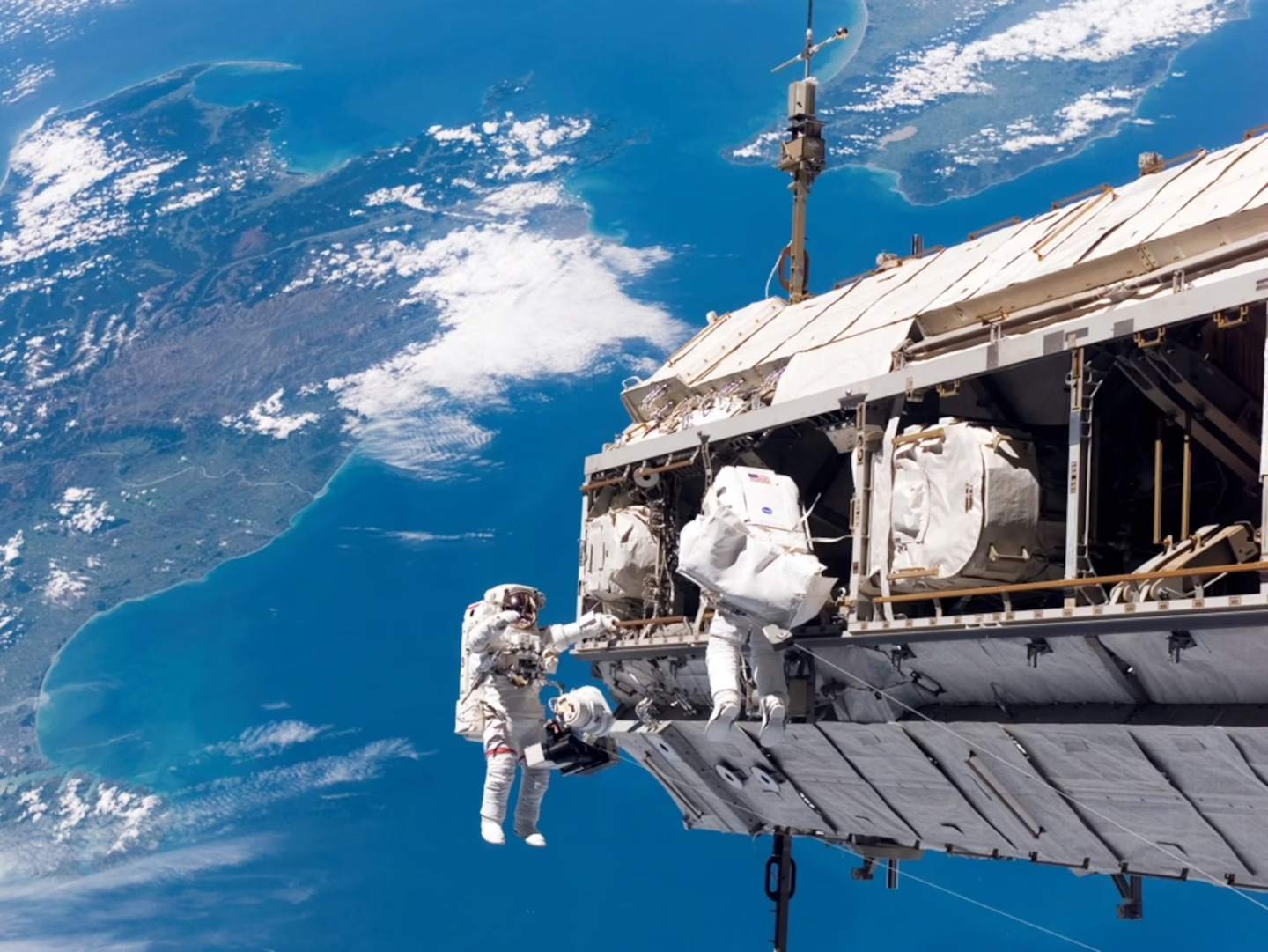
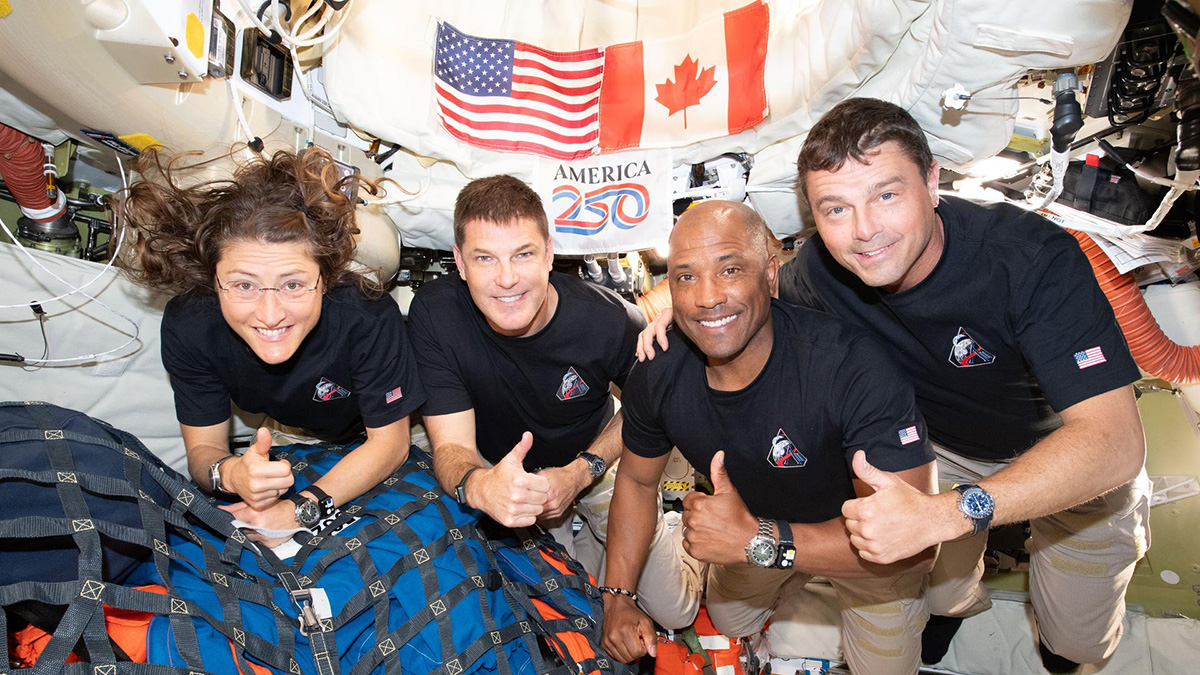
The International Space Station is a laboratory, a home in orbit, and one of the most complex machines ever constructed. It is also an ongoing experiment in international cooperation.
For more than 25 years, humans have lived continuously in space. Research conducted aboard the station has supported pharmaceutical development, commercial activity in low Earth orbit, and technologies needed to keep astronauts healthy during longer journeys to the Moon and Mars.
Its global support has been just as important as its hardware. Participating agencies have learned to discuss their limitations openly, make decisions on different political and funding schedules, and trust that others will follow through.
NASA studied that history while preparing new agreements for Artemis. McKay’s team interviewed people who negotiated the original space station framework, examining what worked and which lessons could be carried forward. When everyone understands their responsibilities, teams can focus on the mission instead of renegotiating relationships during a crisis.
From Apollo to Artemis:
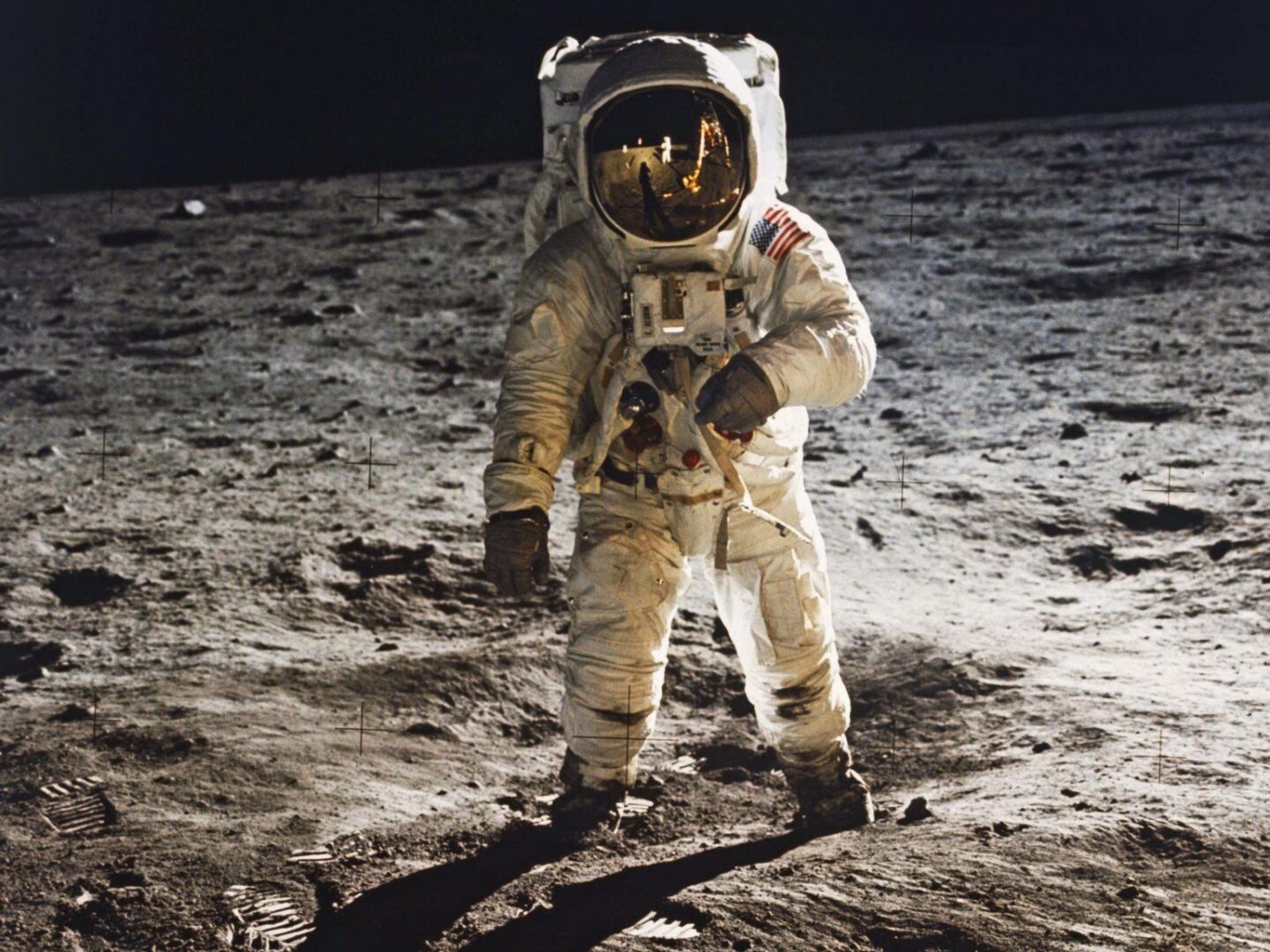
International cooperation has been part of NASA since its beginning. Even Apollo relied on overseas ground stations to relay communications and images.
Nations are contributing astronauts, spacecraft systems, scientific payloads, rovers, and plans for future lunar habitats. These are meaningful pieces of a long-term effort to explore the Moon and prepare for Mars.
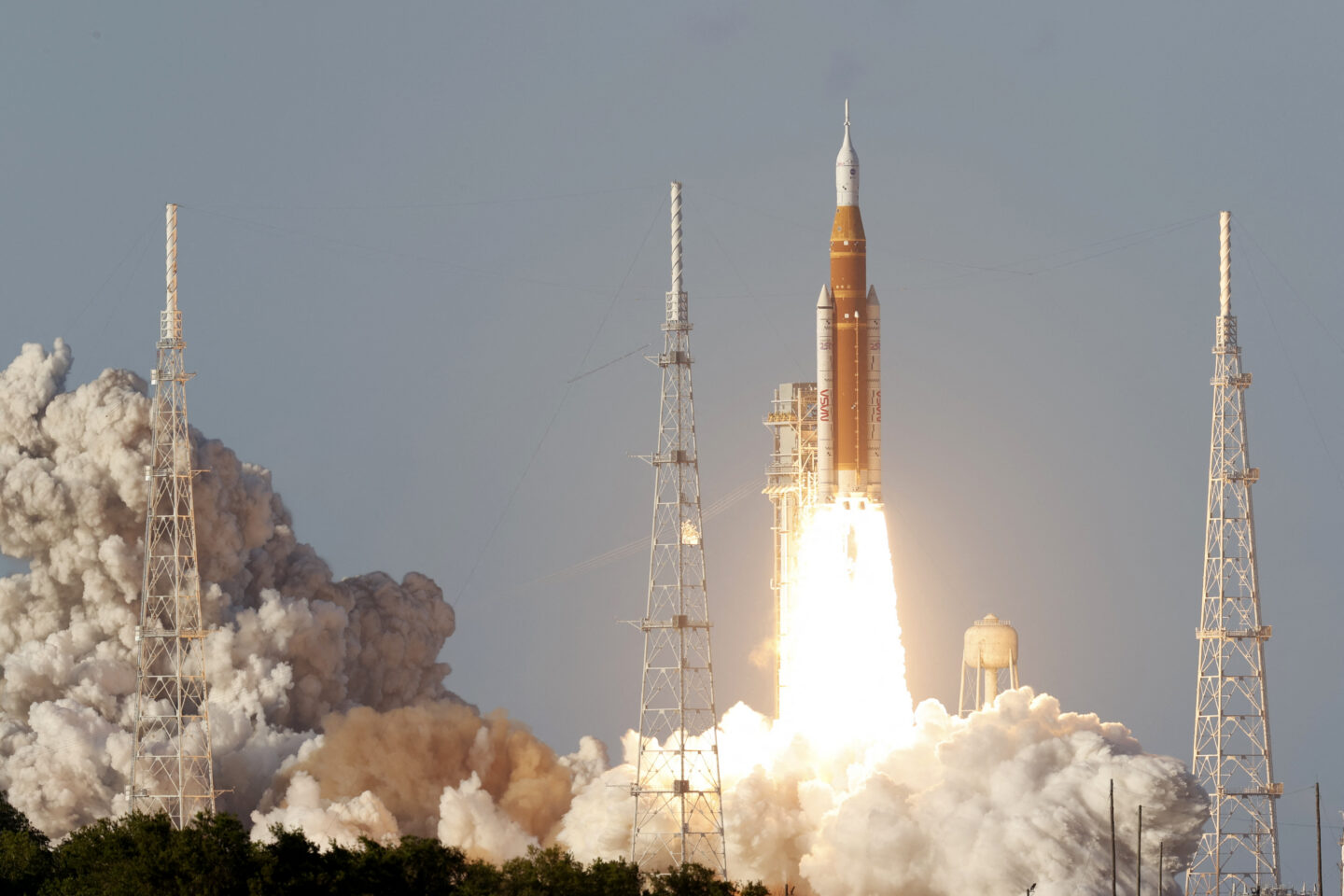
Apollo demonstrated that astronauts could reach the Moon and return safely. Artemis is intended to build a sustained program of exploration in which governments, researchers, universities, and companies can participate.
Commercial Lunar Payload Services missions will deliver science and technology experiments to the lunar surface. NASA has also invited Artemis Accords signatories to propose payloads for robotic and crewed missions, giving more countries a direct role.
What Are the Artemis Accords?
Introduced in 2020 by NASA, the U.S. Department of State, and seven partner nations, the Artemis Accords describe principles for responsible space exploration.
They build on the Outer Space Treaty and address practical questions about how countries should operate beyond Earth. Their principles include peaceful purposes, assistance to astronauts in distress, sharing scientific information, preserving historic sites, and coordinating activities to reduce harmful interference.
As McKay explains, how humanity explores is as important as what it discovers. The Accords are meant to turn broad international principles into habits that partners can apply during real missions.
That will become increasingly important as more nations and commercial organizations reach the Moon. Scientific instruments, landing sites, rovers, and crews will need to operate safely without preventing others from exploring.
Advice for Future Generations:
The technologies behind Artemis are extraordinary, but McKay identifies listening as one of the most important skills an engineer or diplomat can develop.
This trait helps teams discover shared goals beneath different national priorities and allows people to recognize unexpected opportunities. The best opportunity is not always one expected to be found.
Her advice to young people who want to work in space is to be open and listen. The future of exploration will require astronauts and engineers, but also lawyers, policy specialists, communicators, scientists, and people who know how to bring different groups together.
McKay hopes future generations will see that governments, industry, academia, and international partners “rowed in the same direction” and gave those who followed a foundation on which to build.
Frequently Asked Questions:
What does NASA’s Office of International and Interagency Relations do?
They help NASA establish and manage partnerships with foreign space agencies, other U.S. government organizations, and international institutions. Its work includes identifying shared goals, negotiating agreements, and defining responsibilities.
Why does NASA work with international partners?
Partners contribute scientific knowledge, funding, technology, facilities, instruments, and regional expertise. Cooperation can expand a mission’s capabilities while building relationships that support future exploration.
How is Artemis different from Apollo?
Apollo focused on sending astronauts to the Moon during a limited series of missions. Artemis is designed around repeated missions, global participation, commercial services, and a longer-term presence that can support journeys to Mars.
Are the Artemis Accords a new space treaty?
No, the Accords are a set of nonbinding principles grounded in existing international space law, including the Outer Space Treaty. They provide participating nations with a common framework for responsible civil space exploration.
What careers support NASA’s international efforts?
In addition to scientists and engineers, space programs need specialists in law, public policy, communications, program management, finance, and many other fields.
Go Deeper:
Want more Behind the Wings?
Peek into the cockpits of rare warbirds and spacecraft, hear from aerospace experts and more in our episodic documentary series!
Learn more