Colorado Gives Day
Sustain the Wings this Colorado Gives Day! “Sustineo Alas” means “I sustain the Wings.” When…

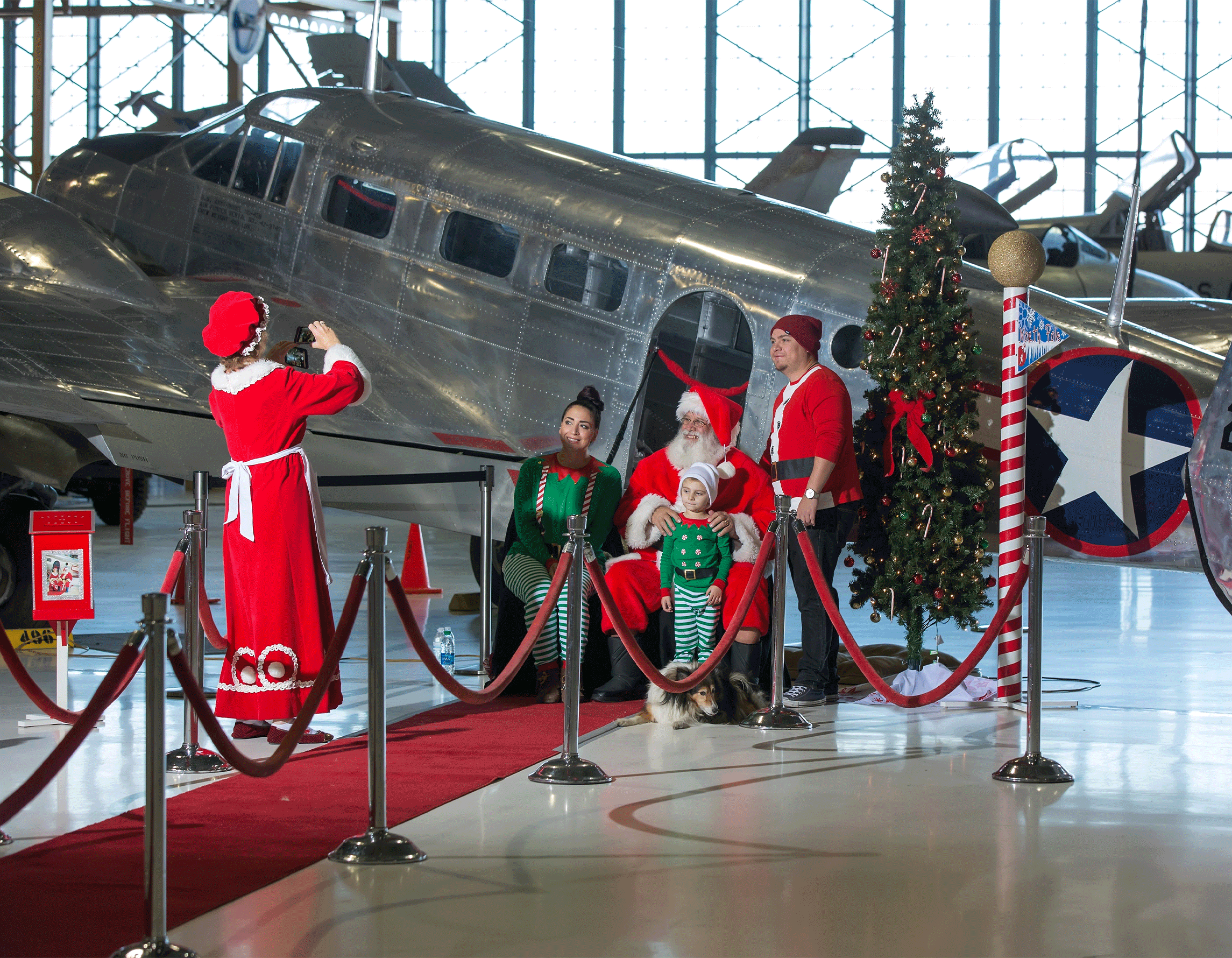
Join us for a day of family fun and celebrate the holiday season at Wings…
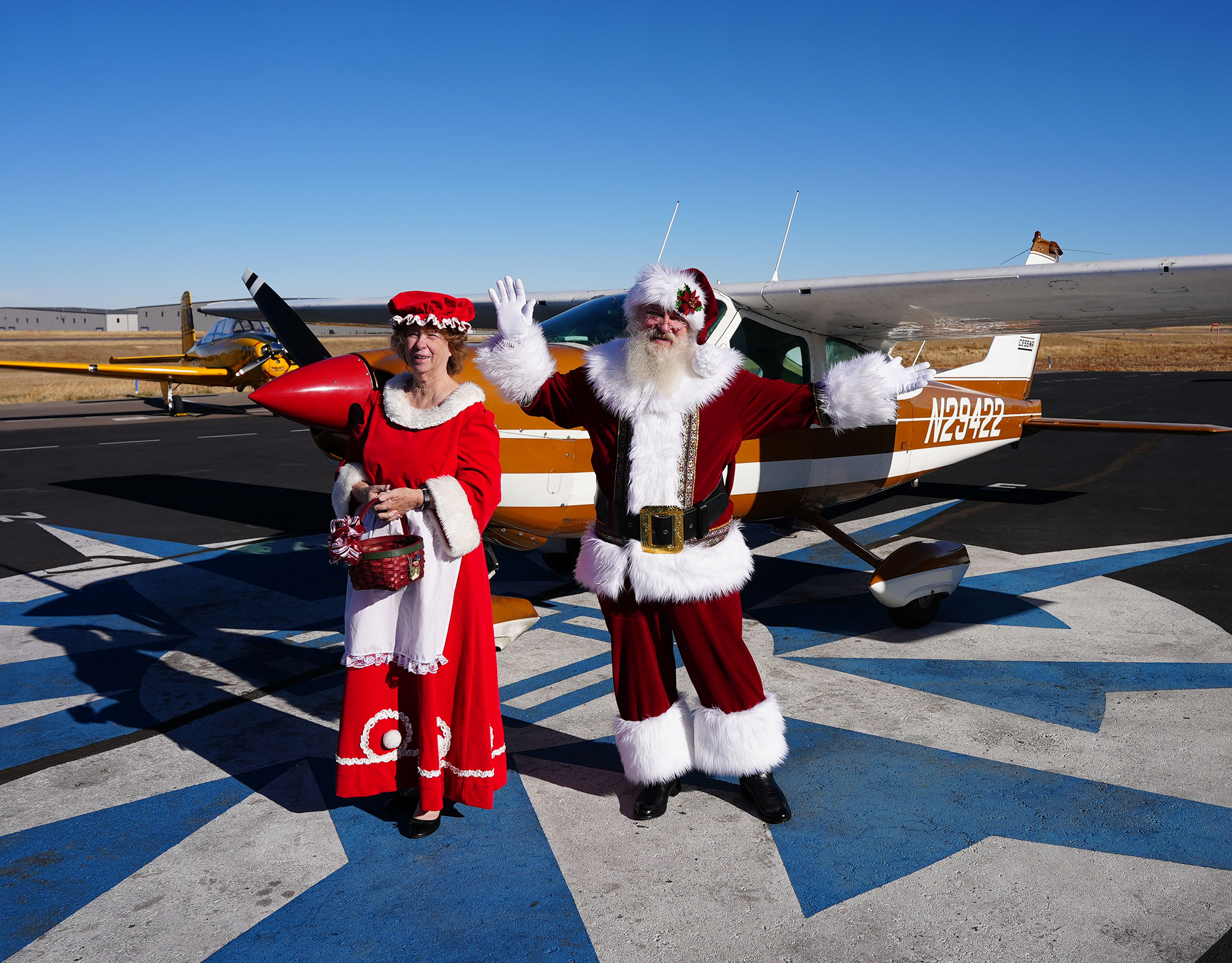
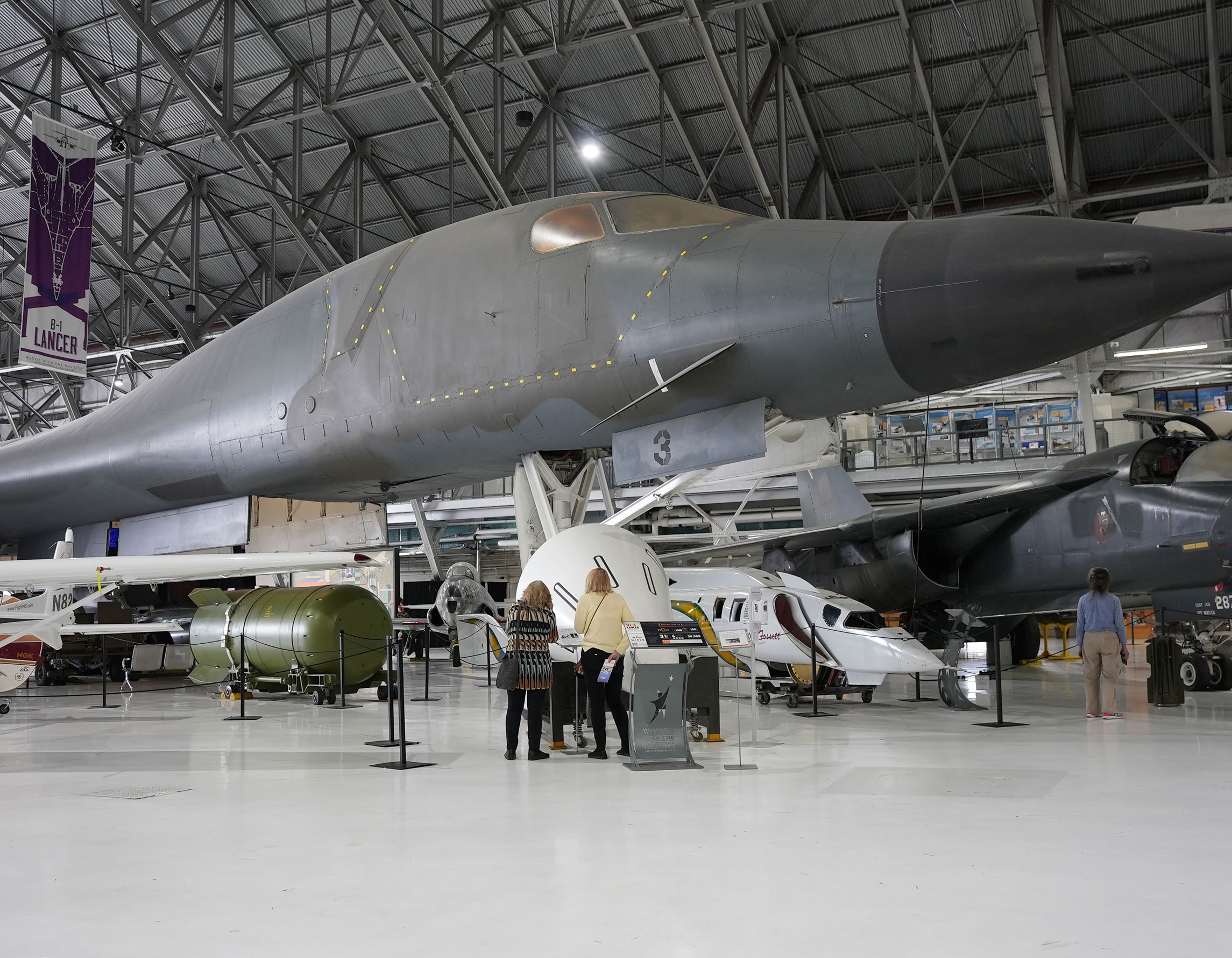
We’re extending our hours until 8:00 p.m. to give you more time to explore, discover…
The Air & Space Museum will be closed on Tuesday, December 24 in observance of…
The Air & Space Museum will be closed on Wednesday, December 25 in observance of…
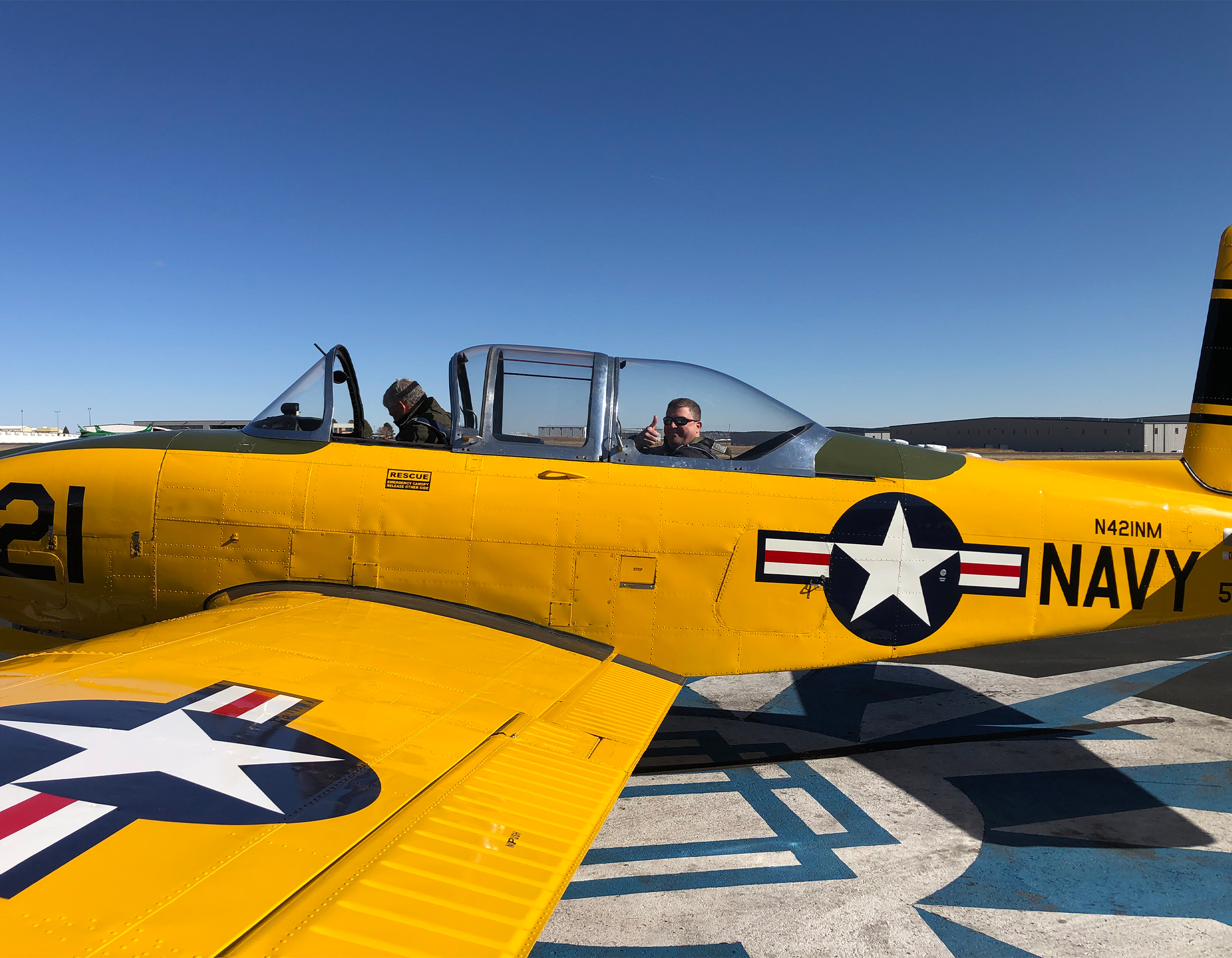
This year, give the gift of flight! Give yourself or someone special the ultimate adventure…
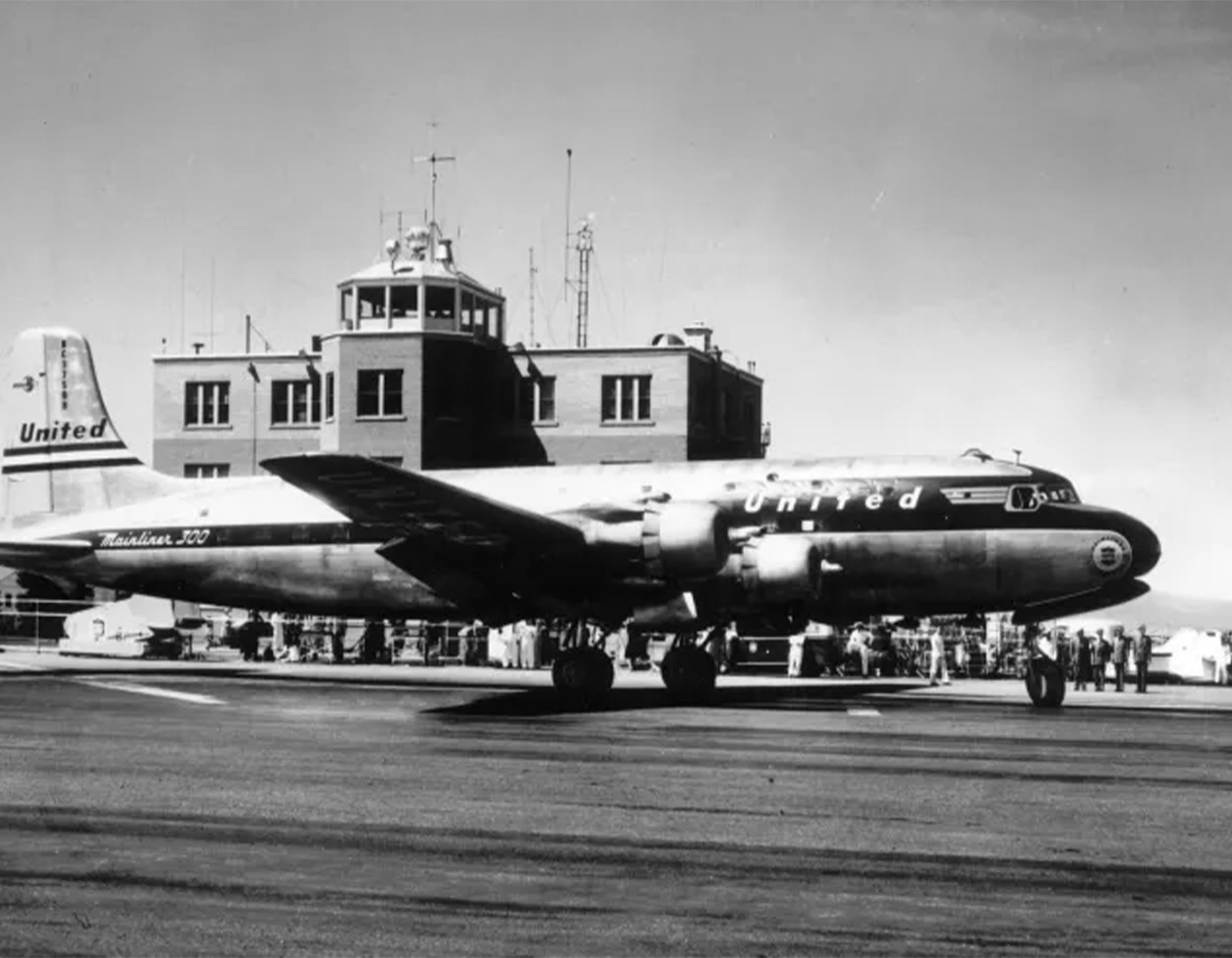
Join us at Exploration of Flight as we honor the first commercial passenger flight that…
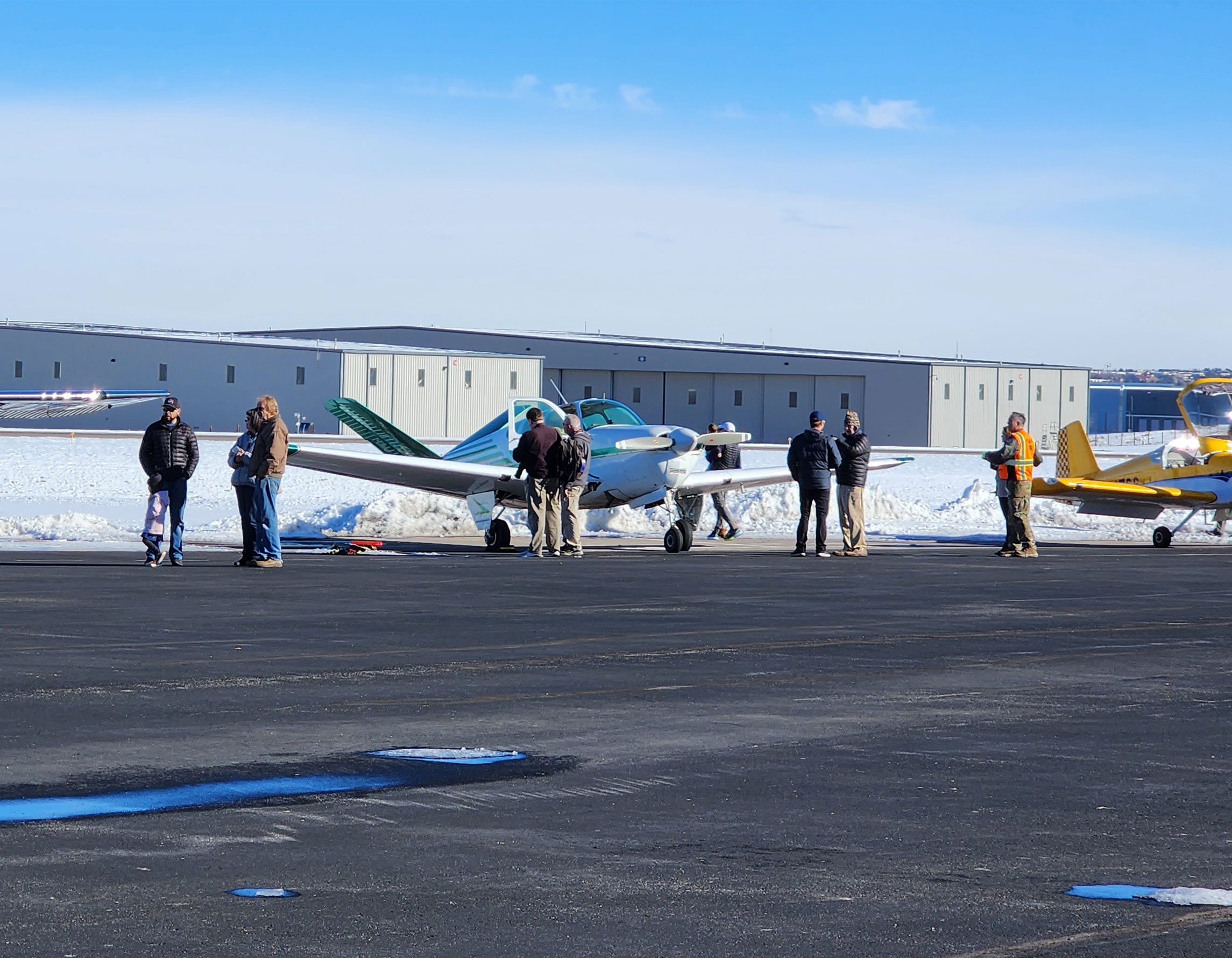
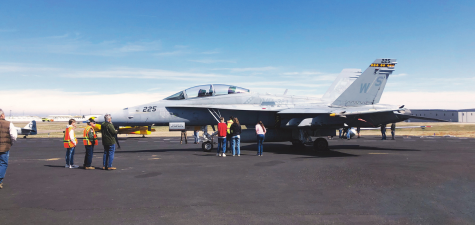
Join Wings Over the Rockies Exploration of Flight for monthly fly-ins featuring planes, pilots, speakers…
Teacher Workshop: Folded Flight Teachers are invited to join us for this in-person workshop and…
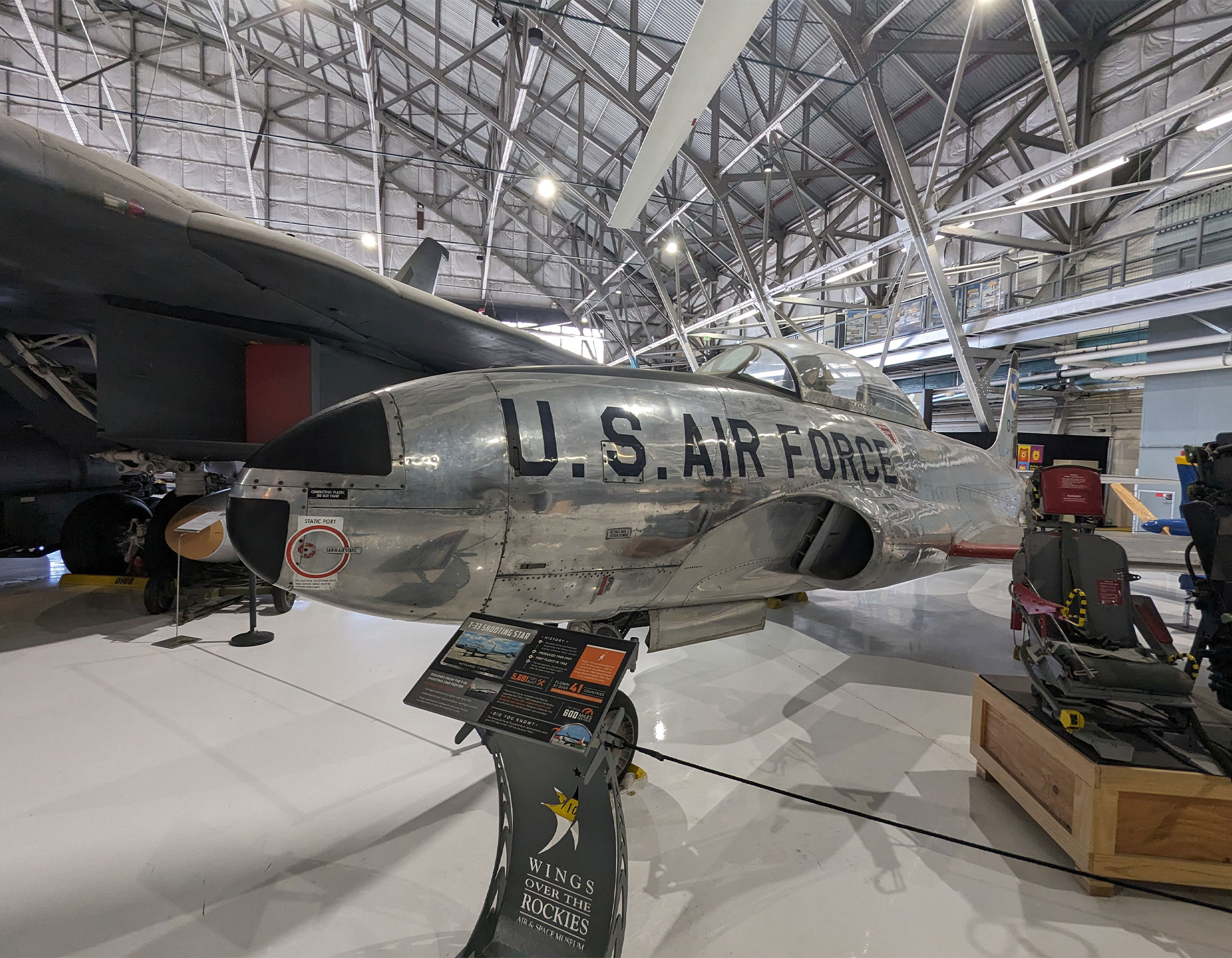
Get an up close look inside select aircraft at the museum and learn all about…
The Air & Space Museum in Denver is closed Thursday, January 16, 2025 for a…
The Harrier II first flew in 1981 and joined the Marine Corps in 1985. With four exhaust nozzles that can rotate from horizontal to vertical, the Harrier can “jump” off the ground in a short take off run or can even take off and land vertically. It can carry a wide array of bombs, rockets and missiles on six underwing hard points, plus a 25mm rotary cannon with up to 300 rounds of ammunition. Fully loaded, a Harrier carries more firepower than a World War II B-17 Flying Fortress bomber!
This Harrier on display at the Air & Space Museum has seen combat in Iraq, Afghanistan, Syria and the Red Sea, and has the 3rd highest number of combat hours of any Harrier. It is on loan from the National Naval Aviation Museum.
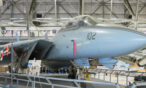
The F-14 Tomcat played a leading role in the 1986 movie “Top Gun.” The Navy needed an airplane to protect its surface fleets from hostile aircraft and anti-ship missiles at long range. After a naval version of the Air Force’s F-111 fighter bomber proved was unsuitable for aircraft carrier operations, its radar and long-range AIM-54 Phoenix air intercept missile systems were transferred to an entirely new design, the F-14.
One of the most iconic symbols of the Vietnam War is the Bell UH-1 “Huey” helicopter. Hueys served throughout the conflict as troop and cargo carriers, air ambulances, and gunships with the US Army, Navy, Air Force, and Marine Corps.
The Harrier II first flew in 1981 and joined the Marine Corps in 1985. With four exhaust nozzles that can rotate from horizontal to vertical, the Harrier can “jump” off the ground in a short take off run or can even take off and land vertically. It can carry a wide array of bombs, rockets and missiles on six underwing hard points, plus a 25mm rotary cannon with up to 300 rounds of ammunition. Fully loaded, a Harrier carries more firepower than a World War II B-17 Flying Fortress bomber!
This Harrier on display at the Air & Space Museum has seen combat in Iraq, Afghanistan, Syria and the Red Sea, and has the 3rd highest number of combat hours of any Harrier. It is on loan from the National Naval Aviation Museum.
The F-14 Tomcat played a leading role in the 1986 movie “Top Gun.” The Navy needed an airplane to protect its surface fleets from hostile aircraft and anti-ship missiles at long range. After a naval version of the Air Force’s F-111 fighter bomber proved was unsuitable for aircraft carrier operations, its radar and long-range AIM-54 Phoenix air intercept missile systems were transferred to an entirely new design, the F-14.
One of the most iconic symbols of the Vietnam War is the Bell UH-1 “Huey” helicopter. Hueys served throughout the conflict as troop and cargo carriers, air ambulances, and gunships with the US Army, Navy, Air Force, and Marine Corps.
Sign up for our newsletter, and stay up to date with all of the latest exhibits and events at Wings Over the Rockies.